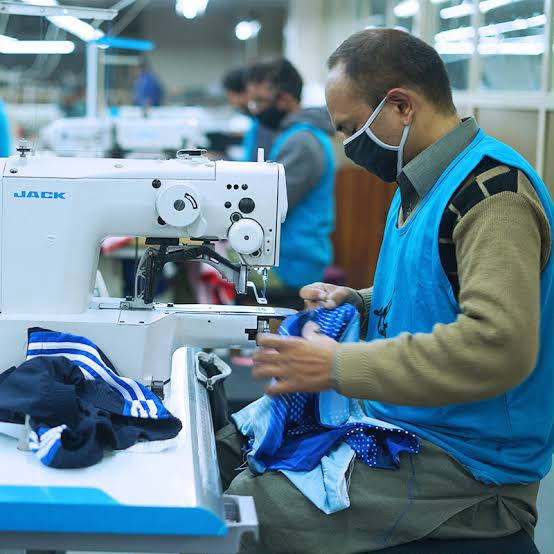
Start with the production fit, not the lowest quote
The right manufacturer is the one that can understand your product and keep its details consistent from the first conversation through approval. Price matters, but a low first quote is difficult to compare if the fabric, decoration, sizing, packaging or sample scope is unclear.
Begin by checking whether the supplier regularly discusses the type of garments you need. A teamwear order, a private-label collection and a performance training range can all require different decisions about construction, fabric and finishing. A manufacturer with a clear sportswear manufacturing process should be able to explain what information is needed before giving a useful production response. For buyers comparing production in Pakistan, the Sialkot sportswear manufacturing route outlines the location, sampling and quote workflow.
For product-specific team kit examples, compare the football and soccer kits with the basketball uniform range.
- Can the manufacturer discuss your product category in specific terms rather than offering a generic catalogue item?
- Can they review a tech pack, reference garment, sketch, artwork file or size chart?
- Will the sample reflect the fabric, fit, branding and construction decisions you actually need to approve?
- Can the production conversation cover labels, decoration and packing where those details matter to your order?
Ask questions that reveal how the factory works
A useful first inquiry is a two-way exchange. You are explaining the product, and the manufacturer is showing whether it can identify the decisions that affect the result. Specific questions are more revealing than simply asking whether a factory “does custom sportswear.”
Ask how the team handles sample changes, measurement checks, artwork placement and material selection. You should also ask what they need from you before sampling can begin. A clear answer may include reference images, a logo file, color direction, a size chart, fabric preferences and the intended use of the garment.
Questions to include in your first brief
Write the questions down and send them with the product information. This makes responses easier to compare because each manufacturer is reacting to the same requirements.
- Which product details are confirmed, and which are still open for development?
- What should be supplied for the first sample: measurements, artwork, fabric references or a complete tech pack?
- How will requested changes be recorded before a sample or production approval?
- Which decoration and branding methods suit the garment construction and artwork?
- What packing or size information should be organized before the order moves forward?
Compare samples by the details buyers will receive
A sample is not only a visual preview. It is a chance to check whether the manufacturer understood the brief. Review the measurements against the size chart, the hand feel and weight of the fabric, seam placement, stretch or ventilation requirements, color appearance, logo position and the finish of labels or trims.
Keep a written change list after each review. If a sleeve, panel, neckline, number placement or label needs to change, describe the change against the approved reference. This is especially important for a brand collection or coordinated kit where several garments must share colors and visual details.
If you need a defined specification and production route, review the OEM sportswear route. If the product still needs fit, fabric or construction development, compare the ODM sportswear route. If the garments will carry your own brand identity, review the private-label sportswear process alongside the product requirements.
Prepare a quote brief that can be answered
Before contacting a manufacturer, collect the information that will change the production conversation. You do not need every decision finalized, but you should make the open questions visible.
For Musa Wears, the minimum order starts at 50 pieces; final requirements depend on the product, design and specifications. Samples are paid and costs are quoted separately. Production timelines are confirmed per order and design. Courier, air freight or sea freight options are quoted according to destination, shipment size and buyer requirements, with costs and timelines confirmed in the quotation.
- Garment category, reference images and intended use
- Target fabric feel, weight or performance requirement
- Colorways, logo files, artwork placements and personalization
- Size range, estimated product mix and any youth or adult grading
- Labels, packaging and destination-market requirements