What custom sportswear manufacturing includes
Custom sportswear manufacturing means developing or producing garments around a buyer’s requirements instead of selecting an unchanged stock design. Those requirements can include the product category, fit, fabric, color, panels, artwork, labels, personalization and packing.
The word “custom” does not mean every order begins from the same place. One buyer may have a complete technical pack, while another has a sketch and reference garment. The first useful step is to identify what is already decided and what needs to be clarified before a sample can represent the intended product.
Step 1: Build a brief the manufacturer can use
A good brief connects the buyer’s idea to measurable or reviewable details. Start with the garment list and intended use, then add references for fit, fabric, colors, branding and decoration. If the order is for a team, include the sport, player details and size breakdown. If it is for a brand, include the collection direction and label or packaging requirements.
You do not need to hide uncertainty. Mark open decisions clearly so the manufacturer can ask the right questions. A brief that says “fabric to be confirmed after performance and hand-feel discussion” is more useful than one that leaves the material unspecified without explanation.
- Product names, reference garments and intended use
- Measurements, size chart, fit direction and grading needs
- Fabric preference, weight or performance requirement
- Color references, artwork files and decoration placements
- Labels, packaging and any personalization or set-building requirements
Step 2: Match fabric and construction to the use
Fabric affects how a garment feels, moves, looks and is cared for. Performance sportswear may need a different balance of stretch, ventilation, weight and durability than a travel layer or a streetwear piece. The useful question is not “which fabric is best?” but “which fabric characteristics support this garment’s job?”
The manufacturer should be able to discuss the fabric options listed for the relevant product and connect them to the intended use. Ask how the proposed material affects fit, decoration, appearance and the sample you will review. The final choice should be tied to the garment rather than copied across a whole collection without checking.
Step 3: Review the sample as a decision point
Sampling turns the written brief into something the buyer can inspect. Review the measurements, fit, construction, fabric hand feel, color, artwork size, branding placement, labels and finishing. For teamwear, check the way names and numbers sit on the garment. For a brand collection, compare the sample with the wider visual direction.
Record changes in a single approval list. Describe what should change, where it appears and whether the change affects one style or the full range. This makes the next sample easier to compare and reduces the risk of an important detail being remembered differently by different people.
Step 4: Confirm decoration, branding and packing
Decoration is part of the garment specification. Sublimation, transfer, print, embroidery, patches, woven labels, names, numbers and other options suit different products and artwork. Confirm the method, placement, size and color treatment with the sample instead of treating the logo as a separate afterthought.
Brand labels, hangtags, folding, bagging and other packing instructions should also be recorded before approval. These details influence how the finished order is presented and can require their own artwork or reference. A clear handoff keeps the approved garment and its finishing requirements connected.
Step 5: Move from approval to production
Before production, bring the approved sample reference, measurement points, artwork files, fabric direction, color information, size breakdown and packing notes into one confirmed brief. Check that the order quantity or product mix reflects the same version of the specification that was sampled.
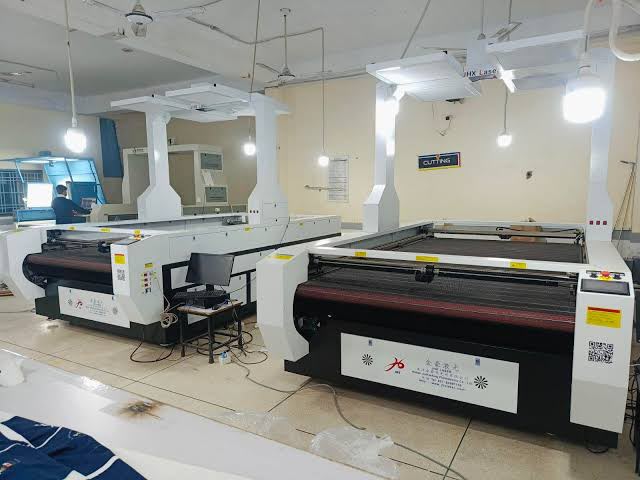
The manufacturing conversation can then move through the appropriate cutting, sewing, decoration, inspection and packing steps for the garment. The exact workflow depends on the product and the requirements confirmed for the order. A useful production partner will keep asking questions where a detail could change the finished result.
For a service overview, see the custom sportswear manufacturing page. For a Sialkot-based production overview, see the sportswear manufacturing route in Sialkot. If you are comparing production partners, the B2B sportswear manufacturing route explains the type of information that makes an initial inquiry more useful. Buyers with a defined technical pack can also compare OEM sportswear production with ODM development. Product-level starting points include custom sportswear and football and soccer kits.